Archiv des Autors: superadmin

Eye

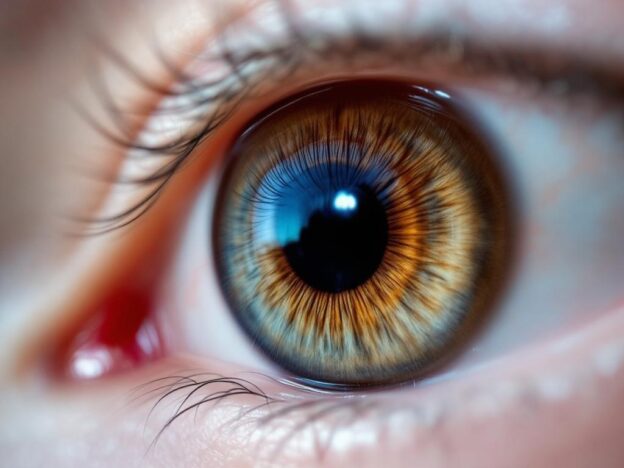
How to Improve Eyesight Naturally: Boosting Your Vision the Natural Way

Vision is one of our most precious senses. Yet, with today’s digital lifestyle, our eyes are constantly strained by screens, artificial lighting, and pollution. Many people wonder, „Is it possible to improve eyesight naturally?“ The answer is yes! While natural methods won’t replace prescription glasses or surgeries, you can strengthen your eye health and possibly even enhance your vision using some proactive, daily habits. Let’s dive into how you can sharpen your vision naturally while keeping your eyes healthy and vibrant.

1. Eat Vision-Boosting Foods

The first thing you can do to naturally improve eyesight is to feed your eyes! Nutrition plays a huge role in maintaining healthy vision. You may have heard that carrots are great for your eyes, and that’s true. But there’s much more to the story.

  • Leafy Greens: Spinach, kale, and other greens are loaded with lutein and zeaxanthin, powerful antioxidants that are found in the eyes. They can help protect against harmful light and oxidative damage.
  • Citrus Fruits: Oranges, grapefruits, and lemons are packed with vitamin C, an essential antioxidant that helps prevent cataracts and macular degeneration.
  • Omega-3 Fatty Acids: Found in flaxseeds, chia seeds, and walnuts, these healthy fats help reduce dry eyes and improve the overall function of your retina.

Incorporating these into your diet will not only improve your eyesight but also benefit your overall health. Eating your way to better vision? Count me in!

2. Eye Exercises: Give Those Eye Muscles a Workout

Just like other muscles in your body, your eyes can benefit from exercise! Eye exercises might seem a little quirky, but they can help reduce eye strain, improve focus, and enhance your vision over time.

Here are some effective eye workouts to try daily:

  • 20-20-20 Rule: Every 20 minutes, look at something 20 feet away for 20 seconds. This gives your eyes a break from screens and helps reduce digital eye strain.
  • Palming: Rub your palms together to generate heat, close your eyes, and gently place your warm palms over them for about 5 minutes. This relaxes the eye muscles and relieves tension.
  • Focus Shifting: Hold a pen at arm’s length and slowly bring it closer to your nose while keeping it in focus. Repeat several times. This helps strengthen your focusing ability.

These simple exercises can be done anywhere, anytime, and can go a long way in improving your eye health.

3. Reduce Screen Time

With the rise of smartphones, computers, and tablets, most of us are glued to screens for hours on end. Digital eye strain, also known as computer vision syndrome, is becoming a common problem, leading to dry eyes, blurry vision, and even headaches. To protect your eyesight:

  • Take regular breaks from screens. The 20-20-20 rule mentioned earlier is a fantastic guideline.
  • Adjust the lighting to reduce glare. Use screen filters if necessary.
  • Blink often to keep your eyes moist. This sounds simple, but we tend to blink less when staring at screens.

Be mindful of your screen time and give your eyes the rest they deserve!

4. Stay Hydrated

Did you know that dehydration can affect your eyes? Just like the rest of your body, your eyes need adequate hydration to function properly. Dry, irritated eyes are often a sign that you’re not drinking enough water.

To avoid this:

  • Drink at least 8 glasses of water a day.
  • Eat water-rich foods like cucumbers, watermelon, and oranges.
  • Use a humidifier in dry environments to prevent dry eyes.

Keeping hydrated isn’t just about avoiding thirst—it’s about protecting your vision!

5. Wear Sunglasses for Protection

Sunglasses aren’t just for style; they play a crucial role in protecting your eyes from harmful UV rays. Prolonged exposure to UV light can increase the risk of cataracts and macular degeneration.

  • Choose sunglasses that block 100% of UVA and UVB rays.
  • Polarized lenses reduce glare, which can strain your eyes.

A good pair of sunglasses is like sunscreen for your eyes, so make sure you wear them anytime you’re outside, even on cloudy days.

6. Get Enough Sleep

Your eyes need rest to function properly. Inadequate sleep can lead to eye strain, dry eyes, and even blurred vision. Just like your body, your eyes recover and rejuvenate during sleep. To keep your vision sharp:

  • Aim for 7-9 hours of quality sleep each night.
  • Reduce screen time before bed to avoid straining your eyes.
  • Keep your room dark and cool for optimal rest.

Letting your eyes rest properly can make a huge difference in your vision clarity the next day.

7. Herbal Remedies for Eye Health

There are several natural herbs and supplements that can benefit your vision. For example:

  • Bilberry: Known for its antioxidant properties, bilberry helps in improving night vision and reducing eye strain.
  • Ginkgo Biloba: This herb can improve blood circulation to the eyes and is believed to slow down age-related eye issues.
  • Eyebright: Used for centuries, this herb helps alleviate eye irritation and reduce inflammation.

While these remedies can be helpful, it’s always best to consult with a healthcare professional before starting any new supplements.

8. Limit Smoking or Quit

Smoking is incredibly harmful to your overall health, and your eyes are no exception. Smoking can increase the risk of developing cataracts, macular degeneration, and even dry eyes. If you’re a smoker, quitting is one of the best things you can do for your eye health. Your vision will thank you!

Conclusion: Clearer Vision Naturally

Improving eyesight naturally is a combination of consistent habits, healthy choices, and giving your eyes the love and care they deserve. From eating the right foods to doing eye exercises, wearing protective eyewear, and taking screen breaks, all of these efforts can preserve your vision and even give it a boost.

Take small steps daily, and over time, you’ll notice a difference. Natural vision improvement doesn’t happen overnight, but with patience and persistence, you’ll be seeing clearer days ahead!
Bitcoin Cash

The Benefits of Bitcoin Cash (BCH) Compared to Other Cryptocurrencies

Cryptocurrency has stormed the financial world, and while Bitcoin (BTC) often dominates the headlines, its spin-off, Bitcoin Cash (BCH), has emerged as a powerful alternative. But why BCH, and how does it stand out in a sea of digital coins? Strap in, because we’re about to dive into the intricate yet exciting world of Bitcoin Cash, bursting with potential benefits and unexpected advantages.

1. Scalability: The Power to Process More Transactions

When Bitcoin was conceived, it was intended to be a peer-to-peer electronic cash system, but as more users flocked to the network, Bitcoin’s original 1MB block size quickly revealed its limitations. Enter Bitcoin Cash, which upsized its block limit to a massive 32MB—allowing for a significantly larger number of transactions per block. This enables BCH to process transactions faster and more efficiently, making it an attractive choice for users who don’t want to wait for hours—or even days—for their transactions to be confirmed.

While BTC still struggles with scalability issues, leading to occasional bottlenecks and high transaction fees, Bitcoin Cash charges in, offering lower fees and rapid transaction times, particularly in times of high network demand. Whether it’s sending funds across borders or paying for a cup of coffee, BCH is more than equipped to handle the load with ease.

2. Lower Transaction Fees: Keeping Your Wallet Intact

Transaction fees can be the Achilles‘ heel of cryptocurrencies. As Bitcoin (BTC) becomes more congested, its fees can spike unpredictably, causing frustration for users. This is where BCH shines like a beacon in the dark. Bitcoin Cash’s larger block size enables cheaper transactions, with fees that often amount to just a few cents, compared to Bitcoin, where fees can range anywhere from a few dollars to more than $20 during peak periods!

For businesses looking to accept cryptocurrency payments, these lower fees make BCH a no-brainer. Whether you’re a small business owner or an individual looking to move funds without getting hit with hidden costs, Bitcoin Cash presents itself as a cost-effective alternative.

3. Speed: Faster Than Your Average Cryptocurrency

Speed is paramount in the fast-paced world of digital payments. Bitcoin Cash, designed to offer swift transactions, pulls ahead of competitors when it comes to finalizing payments. While Bitcoin and Ethereum transactions can get bogged down due to their network’s high usage, Bitcoin Cash remains comparatively unencumbered. The larger blocks allow for more transactions, translating to quicker confirmations. This is especially useful in retail environments or when time is of the essence—who wants to wait around for confirmation when they’re trying to pay at a café or send money to a friend in need?

For those who value immediacy and reliability in their transactions, BCH proves to be a compelling alternative to the sluggishness often seen in BTC.

4. A Decentralized Vision with Practical Use Cases

While some newer coins have been criticized for becoming overly centralized or dominated by a few large holders, BCH continues to emphasize decentralization, staying true to the original ethos of cryptocurrency. Its focus on being a daily-use cryptocurrency—rather than just a store of value like Bitcoin—also gives it an edge. From buying groceries to online shopping, BCH has positioned itself as a usable cryptocurrency for everyday transactions.

Moreover, Bitcoin Cash is accepted by a growing number of merchants worldwide. This usability factor has cemented its place as a digital cash system, which some argue Bitcoin has failed to live up to. BCH is not just a speculative asset; it is a currency you can actually use.

5. Security: A Proven Blockchain with a Strong History

Bitcoin Cash shares its origins with Bitcoin, meaning it inherited the robust security model of Bitcoin’s blockchain. Despite the split, BCH maintains the key cryptographic and security principles that made Bitcoin one of the most trusted cryptocurrencies in the world. While it’s important to note that no system is entirely immune to risks, Bitcoin Cash has proven its resilience over time. It has survived attacks, weathered network debates, and come out stronger for it. Its blockchain is secure and reliable—qualities every cryptocurrency user should prioritize.

6. Community and Development: The People’s Currency

Bitcoin Cash has a vibrant and dedicated community that pushes forward the vision of a truly decentralized and accessible currency. Unlike many projects, which are driven by corporate interests or select groups of developers, BCH boasts open-source contributions from a wide array of talented developers across the globe. This collaborative spirit fuels continuous innovation, ensuring that Bitcoin Cash remains at the forefront of blockchain development.

Additionally, BCH has a clear vision for future growth. It remains dedicated to improving upon the shortcomings of Bitcoin without diverging too far from the original decentralized ethos. From micropayments to international remittances, BCH’s roadmap is practical and ambitious.

7. Privacy Features: Taking It a Step Further

While Bitcoin itself offers pseudonymity, Bitcoin Cash takes this one step further by integrating CashFusion, a privacy-enhancing tool that provides stronger anonymity for users. CashFusion allows users to mix their transactions with others, effectively obfuscating the origin and destination of funds. This makes tracking and tracing BCH transactions far more difficult than typical Bitcoin transactions, giving users an additional layer of privacy without the need to switch to a privacy-specific coin.

Though it’s not as advanced as privacy-focused coins like Monero, BCH’s built-in privacy features offer a middle ground for users who want more security but aren’t looking to delve into the complex world of privacy coins.


The Final Verdict: Why Bitcoin Cash?

Bitcoin Cash is not just another coin lost in the shuffle of thousands of cryptocurrencies. It offers a unique blend of scalability, low fees, speed, and security, making it a strong contender in the cryptocurrency ecosystem. While Bitcoin is often viewed as digital gold, with a primary focus on holding value, BCH has focused on its ability to be usable in everyday transactions, creating an efficient, decentralized, and practical alternative for real-world use.

For those seeking a cryptocurrency that can scale with demand, handle daily transactions with low fees, and provide enhanced privacy features without sacrificing security, Bitcoin Cash might just be the solution they’ve been waiting for. The revolution that Bitcoin started, Bitcoin Cash is continuing—with a twist.

Immigration

EU Immigration Issues

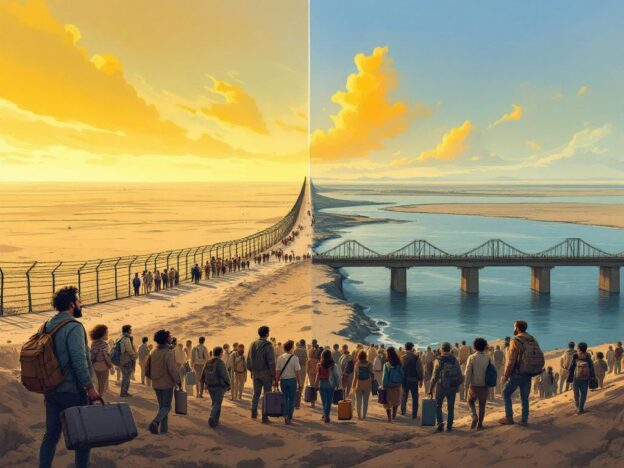
If the European Union (EU) wants to hold onto its status as a global superpower, it needs to tackle immigration head-on. But it’s not just about tightening borders or opening doors—it’s about walking a tightrope between humanitarian obligations, economic realities, and political pressures. The stakes are high, and the future of the EU could hinge on how it handles this issue. Here’s how the EU must act if it wants to stay in the global big leagues:

1. Unified Immigration Policy: The Patchwork Isn’t Working

  • Disjointed Chaos: Right now, the EU’s immigration policies are like a puzzle with missing pieces—each member state is doing its own thing. Italy and Greece are overwhelmed by refugees, while other countries pick and choose who they let in. This patchwork system isn’t sustainable. A fractured approach creates friction among nations, destabilizes the EU, and makes it look weak on the global stage.
  • Fix the Dublin Regulation: The Dublin Regulation, which says refugees have to apply for asylum in the first EU country they enter, is broken. It puts all the pressure on frontline countries like Spain, Greece, and Italy. If the EU doesn’t spread the responsibility fairly, resentment will grow, and we could see border countries breaking away from the system. The EU needs a radical overhaul here—or risk falling apart from within.

2. Stop the Flow at the Source: Addressing Why People Migrate

  • Economic Despair and Conflict: People don’t just leave their homes for no reason. Wars, poverty, dictatorships—they’re escaping from crises that often have roots in European history or foreign policy. If the EU really wants to manage immigration long-term, it has to engage deeper with countries in Africa and the Middle East. Pumping development aid into those regions, helping to stabilize governments, and creating economic partnerships could curb the surge of migrants at the source.
  • Climate Refugees: The Next Big Wave: Climate change is turning fertile land into deserts and coastal cities into flooded zones. The next wave of migration might not be driven by war but by environmental collapse. If the EU doesn’t step up its climate action—both domestically and internationally—it could face an unprecedented crisis with millions more seeking refuge.

3. Immigration as an Economic Lifeline, Not a Burden

  • Aging Population Crisis: Europe is getting older, fast. With birth rates in the EU plummeting and the workforce shrinking, who’s going to keep the economy running? Immigrants can fill the labor gaps in critical sectors like healthcare, tech, and manufacturing. But the EU can’t just open the floodgates. It needs to attract the right kind of immigration—skilled and unskilled workers who can jump into the workforce and boost productivity.
  • Integrating Immigrants: Not Just Jobs, But Belonging: It’s not enough to give immigrants jobs. If the EU wants to benefit from immigration, it needs to integrate newcomers into society. Language programs, skills training, and pathways to citizenship are key. Without integration, the risk of creating marginalized communities that struggle economically and socially could trigger more division within Europe.

4. Border Security Without Becoming a Fortress

  • Tougher, Smarter Border Management: The EU’s external borders are its first line of defense, and while the Schengen Area allows free movement inside, the outside borders need to be tightly controlled. But there’s a fine line between securing borders and turning Europe into an unwelcoming fortress. The EU must invest in better border technologies—like AI-powered surveillance and smart checkpoints—while ensuring human rights are respected.
  • Deals with Neighboring Countries: The EU’s current deals with countries like Turkey and Libya—designed to keep migrants from reaching Europe—are controversial. But if managed properly, these partnerships can help reduce migration flows. However, they need to go beyond bribing countries to hold migrants back. The EU has to work on improving conditions for refugees in these transit countries to prevent humanitarian disasters on their doorstep.

5. Tackling Populism and Fear: Changing the Narrative

  • The Populist Threat: The rise of far-right populism across Europe has fed off fears of mass immigration. Parties like the Alternative for Germany (AfD) or Italy’s Lega have surged in popularity by exploiting anxieties over migrants “taking jobs” or “changing culture.” If the EU doesn’t get ahead of this narrative, populist leaders could upend the Union from within. To counter this, the EU must promote a balanced narrative—one that acknowledges legitimate concerns about security and social cohesion while showing the benefits of immigration.
  • Debunking Misinformation: Misinformation about immigrants—often spread through social media—fuels xenophobia and division. The EU needs to launch a robust public information campaign to set the record straight, highlighting immigrants‘ contributions to society and addressing economic myths that they „steal“ jobs or drain welfare systems.

6. Integration and Cohesion: Avoiding a Social Time Bomb

  • Investing in Infrastructure and Social Services: As more migrants settle in Europe, the strain on housing, healthcare, and education systems increases. If governments don’t invest in public services, the competition for resources will fuel resentment. The EU needs to boost funding for these services, not just for migrants but for local populations too, ensuring that immigration doesn’t ignite social unrest.
  • Encouraging Political Participation: If migrants feel disconnected from their new home countries, tensions will rise. The EU must encourage immigrants to engage in the political process, offering pathways to citizenship, voting rights, and platforms for civic participation. A more inclusive society will lead to stronger social cohesion and prevent isolated migrant communities from becoming breeding grounds for extremism or unrest.

7. Global Leadership on Immigration: A Soft Power Move

  • Set the Standard Globally: The EU has a chance to lead by example on how to manage immigration in a humane, effective way. By treating refugees and migrants with dignity, ensuring fair integration policies, and standing up for international law, the EU can bolster its global influence. Becoming a beacon of hope in a world increasingly hostile to immigrants could strengthen Europe’s soft power.
  • Attracting Global Talent: Immigration isn’t just about refugees. The EU needs to position itself as an attractive destination for global talent—scientists, entrepreneurs, and skilled workers who can drive innovation and economic growth. Countries like the U.S. and China are fierce competitors for the world’s brightest minds, and the EU can’t afford to fall behind in this race.

8. Protecting Human Rights: The Moral High Ground

  • Human Rights at the Core: If the EU wants to keep its global standing, it must stay true to its founding values—respect for human rights, freedom, and democracy. Cracking down on immigration with inhumane measures or turning a blind eye to suffering would erode the EU’s moral authority. Balancing security concerns with compassion is essential for maintaining the EU’s global leadership.
  • Legal Pathways for Refugees: Establishing legal, safe routes for refugees would prevent the tragedies of migrants drowning in the Mediterranean or being trapped in horrific conditions at borders. This also reduces the appeal of human smuggling networks, which thrive when legitimate pathways are closed.

Conclusion: Act Now or Fall Behind

The EU is at a crossroads. How it handles immigration over the next decade will determine whether it continues to be a major player on the global stage—or whether it falls into decline. By reforming immigration policies, addressing the root causes of migration, and balancing security with humanity, the EU can turn immigration from a challenge into an opportunity. But the clock is ticking—without decisive action, Europe risks internal fracturing and diminished global influence.

Burning U.S. flag

U.S. Elections: Trump will be a disaster

If Donald Trump were to win another term, the consequences could be both unpredictable and chaotic. Many fear the U.S. could face a whirlwind of instability across several fronts—socially, politically, economically, and internationally. Here’s why some think America might be in serious trouble:

1. Democracy at Risk:

  • Rule of Law Under Siege: Trump’s willingness to challenge the legitimacy of the 2020 election has already set a dangerous precedent. Imagine what a second term could bring. The possibility of him disregarding future election results or further undermining democratic institutions feels real. His disdain for checks and balances could lead to a gradual erosion of democracy.
  • Judicial Takeover: Trump’s influence over the judiciary could expand further, filling courts with loyalists. He’s already packed the Supreme Court with conservative justices; more appointments would skew the balance even further, potentially for decades. This could reshape laws around issues like abortion, voting rights, and gun control.

2. Foreign Policy Free-for-All:

  • Alienation of Allies: Trump has a pattern of insulting allies while cozying up to authoritarian leaders. NATO allies were rattled during his first term. A second term could see the U.S. withdrawing further from international alliances, isolating itself at a time when global cooperation on issues like climate change, cybersecurity, and pandemics is critical.
  • Trade Wars and Economic Blowback: Trump’s trade wars—especially with China—caused uncertainty and hit American industries, from farmers to tech. Another round of tariffs and economic unpredictability could further destabilize global markets, not to mention U.S. manufacturing and agriculture.

3. Climate Disaster on Steroids:

  • Accelerating Climate Change: Trump is a climate change skeptic who rolled back numerous environmental regulations during his presidency. If he doubles down on deregulation, oil drilling, and defunding renewable energy, the effects could be catastrophic. The U.S. might fall even further behind in the global race to combat climate change, while wildfires, hurricanes, and other climate-related disasters worsen.
  • Environmental Deregulation Frenzy: Picture a future where big corporations are unleashed, polluting without consequence. Protections for national parks, clean water, and air could be shredded. The health of ecosystems and communities would be put at serious risk.

4. A Nation Divided:

  • Racial and Social Tensions Boiling Over: Trump has been accused of emboldening white supremacist groups and fueling racial divisions with his rhetoric. Another term could see these tensions escalate, leading to more civil unrest, protests, and possibly even more violent confrontations.
  • Assault on LGBTQ+ and Minority Rights: Trump’s administration already attempted to roll back protections for transgender people and immigrants. His re-election could see further attacks on the rights of marginalized communities, pushing the country backward on civil rights progress.

5. Economic Fallout and Rising Inequality:

  • Trickle-Down Economics 2.0: Trump’s tax cuts for the wealthy and corporations created a short-term stock market boom but left the national debt soaring. More tax cuts combined with ballooning military spending could worsen economic inequality, straining the middle and working classes even further.
  • Healthcare Crisis: Trump’s efforts to repeal the Affordable Care Act nearly succeeded. Another shot at the presidency could lead to millions losing healthcare, especially those with pre-existing conditions. At a time when healthcare costs are already sky-high, the potential for mass uninsured Americans could overwhelm the system.

6. Chaos in Public Health and Pandemics:

  • Pandemic Mishandling 2.0: Trump’s erratic handling of COVID-19—downplaying its severity, promoting unproven treatments, and contradicting health experts—was widely criticized. If another pandemic hits, the fear is he’d follow a similar pattern, putting millions at risk and causing widespread chaos again.
  • Anti-Vaccine, Anti-Science Sentiment: Trump’s refusal to fully embrace scientific expertise during the pandemic has fueled conspiracy theories and anti-vaccine movements. If re-elected, this anti-science sentiment could deepen, making it even harder to tackle future public health crises.

7. Unleashing Authoritarian Tendencies:

  • Crackdown on Dissent: Trump has shown a willingness to use force against protestors, especially during the Black Lives Matter movement. Imagine how much further he could go with a second term—crushing protests, censoring the media, and potentially undermining free speech.
  • Loyalty Over Expertise: Trump often placed personal loyalty above competence when it came to appointing officials. This could lead to a government filled with yes-men and cronies, reducing the effectiveness of federal agencies, and making corruption more rampant.

8. Political Violence and Domestic Terrorism:

  • Civil Unrest Escalating: Trump’s rhetoric often stoked anger and division, especially with inflammatory claims about stolen elections and threats from „the left.“ Political violence like the Capitol riot might become more frequent, with heavily armed militias and extremist groups feeling emboldened.
  • Polarization Gone Wild: A Trump victory could make an already deeply polarized nation spiral into even more extreme divides, with families, communities, and regions pitted against one another. Social cohesion could break down entirely, and distrust in government might peak.

In short, those worried about Trump’s re-election fear that America could face a perfect storm of constitutional crises, economic inequality, environmental collapse, and social division. The unpredictability of his leadership style adds an extra layer of risk, making it hard to forecast what might come next.

Taking care of elderly people

The Benefits of Legalizing Active Euthanasia for Those with No Quality of Life and to Prevent Suffering

Euthanasia is one of the most emotionally charged and ethically challenging debates of our time. For individuals facing terminal illness, chronic pain, or severe disabilities, the idea of living without quality of life becomes a painful reality, often filled with suffering, helplessness, and despair. While euthanasia—particularly active euthanasia—remains a controversial subject in many parts of the world, it is time to advocate for its legalization. Active euthanasia, in which a healthcare professional deliberately administers a lethal dose of medication to end a patient’s life, can offer immense relief for those trapped in a living nightmare. By legalizing active euthanasia, we uphold human dignity, alleviate suffering, and respect the individual’s right to choose.

1. Restoring Autonomy: The Right to Choose One’s End

When it comes to end-of-life decisions, personal autonomy is paramount. Yet, in many places, individuals suffering from terminal illnesses or debilitating conditions are denied the right to make the most intimate decision of their lives: how and when to die. For those whose lives have become defined by constant pain, mental torment, or complete dependence, being forced to endure every agonizing moment can feel like a cruel, unnecessary punishment.

Active euthanasia offers a compassionate and empowering alternative. Legalizing it would give individuals back the control they’ve lost due to illness or injury. When faced with a future of inescapable suffering, patients should have the choice to end their lives peacefully, surrounded by loved ones, rather than enduring a slow, painful, and often undignified death. This isn’t about „playing God“—it’s about recognizing that no one should be forced to suffer against their will.

2. The Prevention of Needless Suffering

The fundamental principle of modern medicine is to „do no harm,“ yet when a person is kept alive despite unbearable pain and no hope for recovery, the question arises: Is prolonging life in such cases truly beneficial, or is it a form of harm? Modern medical advances can sometimes extend life beyond what is natural, trapping people in bodies that no longer function, with minds that can no longer find peace. Active euthanasia, when chosen by the patient, offers a way to end this unnecessary suffering.

Pain management and palliative care, while improving, cannot always eliminate the immense physical and emotional pain that accompanies terminal illnesses or severe degenerative conditions. Active euthanasia provides a last resort for those whose suffering can no longer be alleviated through any other means. It is not about giving up on life, but about recognizing when life has become a relentless ordeal of pain and despair, devoid of any meaningful quality.

3. Preserving Dignity in the Face of Decline

For many people, the loss of dignity is one of the most heartbreaking aspects of terminal illness. As their bodies deteriorate, individuals may lose the ability to walk, speak, eat, or even recognize their loved ones. This loss of basic human functions can leave people feeling stripped of their identity and dignity, reduced to a shell of who they once were.

Legalizing active euthanasia acknowledges that death, when approached with dignity and self-determination, is preferable to a slow, degrading decline into helplessness. Instead of being reduced to a dependent state, often incapable of even the simplest self-care tasks, patients could choose to exit life on their own terms. Euthanasia can allow them to die with the dignity they deserve, preserving their legacy in the eyes of those they love.

4. Easing the Emotional and Financial Burdens on Families

Watching a loved one suffer from a terminal illness is emotionally exhausting, heartbreaking, and sometimes unbearable. Family members and caregivers often experience helplessness and emotional turmoil, as they stand by, powerless, while a loved one deteriorates. Many feel trapped in a situation where they want to relieve their loved one’s suffering but are legally and ethically restrained from doing so.

By legalizing active euthanasia, the emotional burden of witnessing prolonged suffering can be alleviated. Families could focus on spending meaningful, quality time with their loved ones before their planned and peaceful passing, instead of witnessing prolonged agony. Moreover, the financial toll of ongoing medical care can be immense. Prolonging life through expensive treatments or life support systems—when recovery is not an option—places a financial burden on both families and healthcare systems. Active euthanasia allows patients and families to avoid the high cost of unnecessary, painful treatments, helping to bring closure without the added strain of financial ruin.

5. Ending the Hypocrisy of Passive Euthanasia

In many places where active euthanasia remains illegal, passive euthanasia—where life-sustaining treatment is withdrawn or withheld—is often practiced. This includes turning off ventilators or halting feeding tubes, which can result in slow, drawn-out deaths. While passive euthanasia may be legal in some jurisdictions, it leaves patients to suffer unnecessarily in their final days. This inconsistency is troubling: if society accepts that withholding treatment is an acceptable way to end suffering, why should administering a more direct and painless form of euthanasia be forbidden?

Active euthanasia offers a more humane approach than passive euthanasia. Instead of leaving patients to deteriorate slowly, they can be offered a peaceful, pain-free exit. The current legal landscape forces many to endure prolonged suffering, all while the alternative of active euthanasia could provide them a peaceful, dignified end.

6. Compassionate End-of-Life Care: Beyond Prolonging Life

Modern medicine has been focused on extending life as much as possible, but life at any cost is not always a compassionate or ethical goal. When a person has lost the ability to experience joy, comfort, or a basic quality of life, continuing to prolong their existence can feel like an act of cruelty rather than care. Compassion in healthcare should be about more than just sustaining biological function—it should be about recognizing when it is time to let go, and when extending life only extends suffering.

Active euthanasia is an acknowledgment that in some cases, the kindest, most humane act is to end suffering when there is no possibility of recovery. It offers patients a compassionate option in their darkest moments, allowing them to escape the torment of a life that no longer feels worth living.

Conclusion: Why Active Euthanasia Should Be Legal

The legalization of active euthanasia is not about encouraging death, but about providing a dignified, compassionate choice for those who are already facing an unbearable and inevitable demise. It restores autonomy to patients, allows for the prevention of unnecessary suffering, and offers families the chance to grieve in a controlled, meaningful way. It ends the hypocritical distinction between passive and active euthanasia, and it ensures that people have the choice to die with dignity, rather than enduring a prolonged, painful existence with no quality of life.

By legalizing active euthanasia, we recognize that the right to die with dignity is just as important as the right to live. It’s time to give patients the option to choose a peaceful end when life has become an unbearable burden, offering them relief and the dignity they deserve in their final moments.

The dark fate of evil-doers

The Dark Fate of Evil-Doers: Why Their End Might Come Sooner Than Expected

Evil-doers—terrorists, rapists, abusers, child molesters, sexual predators, murderers, and notorious liars—seem, at first, like they live outside the rules the rest of us follow. They commit horrific acts, devastate lives, and appear untouched by the guilt, fear, or consequences that should come with their actions. They might even seem invincible, like they’ve outsmarted fate. But what if, in reality, they’re digging their own graves faster than they think?

Could it be that their very wickedness, the darkness they spread, speeds up their death? What if living a life of cruelty, manipulation, and violence is more than just morally corrupt—it’s biologically, psychologically, and spiritually self-destructive?

In this article, we’ll explore how the relentless evil these people commit might be quietly killing them, wearing down their minds and bodies, leaving them vulnerable to an early death.

The Psychological Self-Destruction: Guilt, Fear, and the Human Psyche

At first, evil-doers seem untouchable. They appear to move through life with chilling disregard for others. But there’s a hidden cost to living a life of darkness, even if they don’t show it. The human mind, no matter how hard they try, can’t entirely escape the natural consequences of doing harm.

Deep down, the stress of their deeds starts building, even in those who seem entirely devoid of empathy. Terrorists, rapists, murderers—they constantly operate in states of heightened fear, suspicion, or guilt. Paranoia seeps into their daily lives. They worry about getting caught, being exposed, or facing retaliation. It might not be visible to others, but their minds are constantly working overtime to stay one step ahead, to avoid the judgment they know is lurking just around the corner.

This constant fear and anxiety ignite a physiological response in the body—fight or flight—over and over again. Their brains are flooded with stress hormones like cortisol and adrenaline, designed to help in short bursts but devastating when sustained over long periods. These hormones eat away at the body, leading to high blood pressure, heart disease, and a weakened immune system. Over time, it’s not just their minds that suffer—it’s their very bodies that start to break down. The evil they spread outward begins to implode inward, accelerating their demise.

The Physical Breakdown: How Living a Life of Evil Eats Away at the Body

It’s not just psychological pressure that dooms them—there’s a very real physical toll to living a life filled with violence and malice. Think about it: criminals like terrorists, abusers, and killers live in a constant state of alertness. They’re always watching, always plotting, always bracing for impact. Their bodies are running on high alert all the time, and this constant stress takes a massive toll.

Adrenaline surges, heart rate spikes, and the body endures the same physical reaction it would to danger—but for them, it never switches off. It’s like living in a war zone inside your own skin. And just like soldiers who experience battle fatigue, these criminals burn out quickly. Cardiovascular disease, strokes, heart attacks—these are the prices paid for a body living under constant duress.

But that’s not all. Many of these evil-doers turn to substance abuse—drugs, alcohol, anything to quiet the storm in their minds and numb the guilt or paranoia they can’t shake. It’s not a coincidence that so many notorious criminals spiral into addiction, and it only hastens their physical decline. Overdose, liver failure, violent accidents while intoxicated—the ways their bodies can fail are numerous, and the timeline is fast-tracked when substances come into play.

The Paranoia that Leads to Recklessness

Paranoia is more than just an annoying mental side effect—it’s dangerous. Evil-doers, especially those involved in violent or manipulative crimes, live in constant fear of being exposed, caught, or punished. And when someone lives in that kind of fear, it often leads to reckless decisions. They make mistakes. They lash out. They become sloppy.

Whether they’re trying to silence witnesses, evade law enforcement, or cover their tracks, this paranoid mindset pushes them to take increasingly desperate actions, which can lead to their downfall. It’s ironic, really—the very fear of being caught makes them more likely to trip up and accelerate their end. And the more dangerous the world they live in, the more likely they are to meet a violent fate themselves.

For example, a terrorist might be killed in a firefight, a murderer might be taken out by rivals, and abusers might meet fatal retribution from the very communities they once terrorized. Living in a constant state of violence makes dying by violence a much more probable outcome. The world they’ve created for others eventually catches up with them.

Spiritual Discord: Evil Destroys From the Inside

Even if we strip away the physical and psychological consequences, there’s another layer at play—something deeper, something spiritual. People have an innate sense of right and wrong, even if they bury it beneath layers of cruelty or deception. For those who commit evil acts, this inner conflict—the discord between their actions and the basic moral structure of humanity—creates a form of spiritual rot.

This spiritual discord manifests in tangible ways. Studies show that harboring emotions like hatred, anger, and jealousy has real-world effects on the body. It can shorten lifespans, contribute to chronic illnesses, and create an inner environment where disease thrives. It’s like they’ve poisoned their own souls, and that poison seeps into their physical being, making death seem like a fitting and inevitable conclusion.

For many evil-doers, there’s also the belief that, even if they’ve avoided human justice, they cannot escape cosmic or spiritual justice. This belief can create an internalized dread—a deep-seated fear of what’s waiting for them on the other side, and that kind of existential terror can be just as damaging as physical or mental stress.

The Violent End: When Karma Catches Up

For many criminals, the end doesn’t come peacefully. Evil-doers often live and die by violence, because they’ve embedded themselves in violent circles. Murderers, rapists, and terrorists create enemies—people who will eventually come for them. Retribution is real, and for many of these individuals, their death comes as violently as the lives they’ve led.

Whether it’s a rival gang member, an angry victim, or law enforcement, the tools of destruction they wield against others often become the instruments of their own death. It’s almost poetic, in a dark, twisted way—what they dish out to others eventually comes full circle.

Conclusion: You Can’t Escape the Consequences

Evil-doers might think they’re invincible, that they can outsmart the world and live without consequence. But nature, morality, and the body itself disagree. Whether through stress-induced health problems, reckless behavior, substance abuse, spiritual conflict, or the violent world they inhabit, these individuals often meet an early, painful death.

Their malevolent actions don’t just destroy the lives around them—they boomerang back, bringing destruction upon themselves. The body, mind, and spirit are deeply interconnected, and when they live in constant opposition to life, love, and morality, the price is paid not just in external consequences, but in the very essence of their own existence.

In the end, no one escapes their fate—not even those who think they’re above it. And for evil-doers, that fate might arrive much sooner than they ever expected.

The consequences of sin

The Hidden Perils: How Living in Sin Could Lead to Premature Death Regardless of Marriage

In a world where traditions and societal norms are constantly evolving, many couples find themselves cohabiting before marriage, or even without any intention of marrying at all. It’s a common and often accepted practice in today’s society—what’s commonly referred to as “living in sin.” However, underneath the surface of this seemingly modern lifestyle, lies a chilling, often overlooked danger that could affect both partners‘ longevity. This article explores how living in sin can potentially contribute to a premature death, irrespective of whether the couple eventually marries.

The Unseen Stressors of a „Sinful“ Union

At the heart of every relationship, whether formalized by marriage or not, lies a complex web of emotional, psychological, and physiological interactions. Living together without the bond of marriage may seem like a harmless arrangement—after all, it’s just two people sharing a space, right? But in reality, such an arrangement can expose both partners to invisible stressors that gnaw at their well-being like a silent predator.

A cohabiting couple might lack the societal and personal sense of security often associated with marriage. Without the perceived permanence or commitment of marriage, there’s a subtle, often unconscious anxiety that may plague both individuals. This emotional unease creates low-level stress, which, when experienced over extended periods, wreaks havoc on the body’s systems.

Stress, as any medical expert will tell you, is a killer. Chronic stress can lead to hypertension, cardiovascular disease, a weakened immune system, and mental health disorders like anxiety and depression. And while it might not be immediately visible, the cumulative effects of these health concerns can shorten a person’s life span significantly. The body, constantly in a heightened state of alert due to unresolved emotional tensions, burns through vital resources at an accelerated rate. Over time, this can culminate in premature death.

The Illusion of Freedom: Is Marriage a Safety Net?

Some might argue that eventually transitioning from cohabitation to marriage eliminates these risks. But does it really? Marriage may formalize the relationship, providing some level of security or societal approval, but the emotional and spiritual residue from a “sinful” foundation can remain embedded in the union. Marriage might offer legal and financial protections, but it cannot instantly erase the years spent living in an ambiguous space.

This ambiguity may lead to unresolved conflicts and repressed emotions. These lingering issues, born from the initial period of „living in sin,“ can fester beneath the surface, resurfacing as chronic stress even after marriage. Moreover, such stressors can go beyond emotional strain. Studies suggest that couples who lived together before marriage might be at a higher risk of experiencing marital dissatisfaction and divorce. This dissatisfaction can spiral into a host of health-related issues, exacerbating the premature death factor. The idea that „once we marry, everything will be okay“ is a comforting illusion—but one that may ultimately backfire in tragic ways.

The Spiritual and Physical Connection: A Deeper Look

Many belief systems emphasize the spiritual significance of marriage and the dangers of “living in sin.” While some might dismiss this as an archaic or religiously motivated viewpoint, there may be deeper implications at play. Could it be that the metaphysical—or spiritual—weight of living in sin manifests itself in physical ways?

Some spiritual traditions hold that engaging in a union without the sanctity of marriage can lead to a form of spiritual imbalance. This imbalance, according to proponents of this view, disrupts the natural harmony between partners, allowing negativity to infiltrate their lives in the form of ill health, financial struggles, or a shortened lifespan. This isn’t merely a matter of belief; it’s a reflection of how interconnected our mental, spiritual, and physical states are.

When a person lives in what they might perceive as contradiction to their values or upbringing—whether consciously or unconsciously—this internal conflict can create significant psychological strain. Over time, this strain may manifest physically, leading to conditions that are known to contribute to an earlier demise, such as heart disease, stroke, or even cancer. When the body is forced to bear the weight of unresolved emotional or spiritual tensions, the consequences can be catastrophic.

Social and Cultural Pressures: A Silent Killer

Beyond the emotional, spiritual, and physiological aspects, the cultural context surrounding cohabitation can also affect the health of both partners. In many societies, cohabiting without marriage is still viewed with skepticism or outright disapproval. The couple, therefore, might feel judged, ostracized, or shamed—either by family, friends, or society at large.

This constant battle for acceptance or respect can lead to what is known as “perceived social rejection.” Research has shown that those who perceive themselves as rejected or judged by their community often suffer from higher levels of chronic stress, anxiety, and depression. This perception can weaken their immune system, making them more susceptible to illness. Add to that the strain of maintaining a relationship while navigating these social pressures, and you have a recipe for an early grave.

The wages of sin is death

The Long Tongue Liar, The Midnight Rider, The Rambler, The Gambler, and The Backbiter: Why Ignoring Morality Can Lead to Sudden and Unexpected Death

Throughout time, humanity has been captivated by tales of misdeeds and the often sudden, shocking consequences that follow. From ancient folklore to modern stories, archetypes like the long tongue liar, the midnight rider, the rambler, the gambler, and the backbiter have surfaced as warnings—embodying deceit, recklessness, and betrayal. They remind us that those who live on the edge, skirting moral lines, often face swift and brutal fates. And while these might sound like characters from legends or myths, they reflect behaviors we see in real life—behaviors that can lead to the abrupt, unexpected end of life itself.

This article cranks up the intensity and unpacks why living on the wrong side of morality often comes with deadly consequences, both metaphorically and literally. Fasten your seatbelt—it’s a bumpy ride.

1. The Long Tongue Liar: When Deceit Comes Back with a Vengeance

The „long tongue liar“ is the master of deception, spinning tales and manipulating reality to suit their whims. But here’s the thing: lies are time bombs. And once the fuse is lit, they’re ticking, waiting to explode. People who live a life of deceit walk a thin line between control and chaos, believing they can juggle lie after lie without facing the consequences.

a. The Domino Effect of Lies

Lies aren’t just words—they’re dominoes. Push one, and it triggers a chain reaction. One lie requires another, and another, until you’re neck-deep in a web of falsehoods. And when the truth finally bursts through (because it always does), the collapse is rapid and often catastrophic. Liars face social destruction, legal consequences, and sometimes physical danger. When people finally see the truth, the liar often finds themselves standing in the wreckage of their own creation. That’s when things go downhill—fast.

b. Living in Perpetual Fear

Constantly covering up lies is stressful—beyond what most realize. The mental strain can lead to bad decisions, panic, and irrational actions. Liars live with the fear of exposure gnawing at them, pushing them to take risks they wouldn’t ordinarily consider. Stress alone is a killer, and combined with a life built on deceit, it’s only a matter of time before something snaps—whether it’s health, sanity, or the trust of those around them. When that breaking point comes, death or destruction often follows.


2. The Midnight Rider: Racing Toward Catastrophe

The midnight rider lives for the thrill, always pushing the boundaries of what’s legal, safe, or sane. This character doesn’t just flirt with danger—they dance with it. Reckless behavior feels exhilarating, but it’s a deadly game of Russian roulette. Midnight riders take chances without considering that the cost might be their life.

a. A One-Way Ticket to Disaster

Recklessness is a direct invitation for chaos. The midnight rider may be speeding down the road at midnight or committing illegal acts under the cover of darkness, but every action inches them closer to catastrophe. Studies have shown that reckless drivers, for instance, are significantly more likely to die in accidents. Combine that with a disregard for rules, and you’re asking for a fatal outcome. The midnight rider’s story is often short, because playing with fire inevitably leads to getting burned.

b. The Inevitable Crash

Every midnight rider eventually faces a crash—whether literal or figurative. They tempt fate one too many times, and fate rarely loses. They live on borrowed time, and when their streak runs out, the end is swift, often violent, and always shocking. It’s not just risky behavior, it’s a lifestyle built on the assumption that they can outrun consequences. But nobody outruns consequences forever.


3. The Rambler: Rootlessness and the Path to Self-Destruction

The rambler is the wanderer, floating through life without anchor or purpose. For some, this seems like freedom, but in reality, it’s the kind of freedom that leaves people vulnerable and exposed. Rootlessness can be dangerous—emotionally, mentally, and physically.

a. No Safety Net

Rambler-types drift without the security of family, friends, or community. They live without structure, making them easy prey for accidents, poor choices, and misfortune. Without a solid foundation, there’s no one to catch them when they fall—and fall they inevitably will. Whether it’s illness, injury, or a dangerous encounter, the rambler’s lack of stability makes them more likely to meet an untimely end. Imagine walking a tightrope with no safety net. That’s the life of a rambler.

b. Isolation and Desperation

As human beings, we’re wired for connection. Isolation leads to vulnerability, and vulnerability invites disaster. When ramblers find themselves in dangerous situations—whether it’s homelessness, substance abuse, or violent environments—there’s no one to pull them back. The road they walk is unpredictable, and often, the next step leads to the abyss.


4. The Gambler: Rolling the Dice with Life and Death

The gambler is the risk-taker who thrives on chance, convinced that the next roll, the next hand, the next bet will bring fortune and fame. But gambling isn’t just about money—it’s about life decisions. And when the stakes get too high, the odds are never in the gambler’s favor.

a. The Allure of the High Stakes

Life is already unpredictable, but gamblers up the ante. Whether it’s financial risk, betting with emotions, or taking dangerous chances, gamblers often find themselves spiraling out of control. Financial ruin can be sudden and devastating, leading to reckless behavior, criminal activity, or in some cases, suicide. They roll the dice, but when they lose, they lose everything—including their life.

b. The Health Risks of Living on the Edge

The gambler’s lifestyle is often accompanied by unhealthy habits—stress, substance abuse, sleepless nights. These factors compound and can lead to sudden health problems like heart attacks or strokes. Gamblers live in a constant state of anxiety and risk, and that pressure often leads to fatal health crises. When you gamble with life, the house always wins in the end.


5. The Backbiter: Poisoning the Well and Facing the Repercussions

The backbiter thrives on betrayal and slander, tearing down others for their own gain. They operate in the shadows, spreading poison and destroying trust. But here’s the catch: betrayal breeds enemies, and enemies strike back. The backbiter’s end is usually as sudden as their betrayal is vicious.

a. Creating Enemies

Backbiters often think they can operate without consequence, but every act of betrayal leaves a scar—on them, and on others. People eventually realize who the backbiter is, and when they do, retribution is never far behind. Whether it’s social isolation or outright violence, the backbiter’s venomous behavior puts them in constant danger of retaliation.

b. Karma Catches Up

Call it karma, call it cosmic justice, but betrayal has a way of coming full circle. The backbiter might spread lies and create discord, but when the tables turn, the fallout is brutal and swift. Betrayers often meet violent ends, either through physical confrontations or the unraveling of their lives and reputations. It’s a fast fall from grace when you spend your time tearing others down.


6. Ignoring Morality: Courting Sudden Doom

At the heart of these archetypes is a refusal to follow moral principles. People who live without regard for ethics are more likely to engage in dangerous, reckless, or outright destructive behavior, increasing their chances of an untimely death.

a. Living on the Edge of Disaster

When people ignore morality, they push boundaries, take risks, and make enemies. Whether it’s the liar who gets caught, the midnight rider who crashes, the gambler who loses it all, or the backbiter who faces revenge—ignoring ethical guidelines leads directly to disaster. It’s not a question of „if,“ but „when.“

b. The Stress of Immorality

Living a life outside moral bounds is mentally and physically exhausting. Constantly covering tracks, managing lies, or engaging in high-risk behavior creates stress that destroys the body from the inside out. Stress-induced illnesses like heart disease, stroke, and mental breakdowns are common among those living with constant turmoil. Sudden death becomes more likely as stress pushes the body to its limits.

c. The Collapse of Support Systems

Immoral people often alienate those around them. When tragedy strikes, they have no safety net—no friends, no family, no one to turn to. This isolation makes even small crises fatal, as there’s no one to help them through dangerous or life-threatening situations.


Conclusion: Moral Lessons from the Edge

The long tongue liar, the midnight rider, the rambler, the gambler, and the backbiter aren’t just archetypes—they’re warnings. They represent behaviors that increase the risk of sudden and unexpected death by living recklessly, deceitfully, or destructively. These individuals ignore morality, believing they can escape consequences. But the reality is clear: no one escapes forever. Morality isn’t just about doing the right thing; it’s about survival.

So the next time you’re tempted to tell that lie, take that unnecessary risk, or backstab a friend, remember: the end could be closer than you think.

Thief

Sudden and Unexpected Death Among Criminals: A Reflection on Risk Factors and Moral Interpretations

The notion that individuals involved in violent or criminal activities, such as terrorism, murder, rape, child abuse, and domestic violence, are more likely to die suddenly and unexpectedly is one that has deep roots in both cultural and psychological frameworks. This belief can be shaped by ideas of karma, divine justice, or even fate, but there are also tangible, real-world factors that explain why such individuals might face untimely deaths more frequently. Although morality and justice are complex, there are specific reasons why violent and nefarious people are at greater risk of sudden death.

1. High-Risk Lifestyles

One of the most compelling explanations for sudden deaths among criminals is that their lifestyles expose them to constant danger. Terrorists, for instance, are involved in environments where death is an occupational hazard. Engaging in armed conflicts, setting off explosives, or being part of covert operations naturally increases the likelihood of injury or death. The same applies to violent criminals, such as gang members or murderers, whose constant interaction with weapons, crime, and retaliation makes it statistically more probable that they will die in violent confrontations.

a. Retaliation and Revenge

In criminal circles, violence often breeds more violence. A murderer or gang leader may be killed by a rival faction, or a terrorist may face reprisal from law enforcement or military forces. This cycle of vengeance dramatically heightens the chance of a sudden and violent death. The nature of their crimes creates enemies, including fellow criminals or even vigilantes, which can lead to fatal consequences.

b. Criminal Networks and Unpredictability

Those involved in organized crime or terrorist networks often operate in high-pressure, unstable environments. Their lifestyles involve secrecy, paranoia, and constant surveillance. The risks of betrayal, police ambushes, and targeted attacks make the probability of unexpected death much higher than for the average person.

2. Mental Health, Stress, and Self-Destruction

Another factor contributing to sudden and unexpected deaths among violent criminals is the psychological toll that their actions take on them. Committing violent crimes or engaging in abuse can lead to mental health issues, including anxiety, paranoia, and severe stress. In some cases, perpetrators of horrific crimes may suffer from guilt, leading to substance abuse, reckless behavior, or even suicide.

a. Paranoia and Mental Strain

Violent individuals, especially those who live in constant fear of getting caught or being punished, often experience heightened stress levels. For example, domestic abusers may become increasingly paranoid about their victims reporting them, leading to erratic and dangerous behavior. This mental strain can result in heart attacks, strokes, or other medical emergencies that lead to sudden death.

b. Substance Abuse

Many individuals involved in criminal activities, including terrorists or domestic abusers, may turn to drugs or alcohol to cope with the psychological burden of their actions. Overdoses or the health impacts of prolonged substance abuse can lead to sudden deaths. In some cases, such individuals may engage in dangerous behavior while under the influence, increasing their risk of accidents or confrontations.

3. Health Neglect and Dangerous Conditions

Criminals and nefarious individuals often live in circumstances that are detrimental to their physical health. Many are constantly on the run, live in unsafe environments, or experience long periods of stress, all of which can lead to sudden and unexpected health issues.

a. Poor Healthcare and Living Conditions

Terrorists and violent criminals often lead transient, underground lifestyles. They may not have access to proper healthcare, live in unsanitary conditions, or fail to address chronic health issues due to their fugitive status. This neglect can cause sudden health crises, such as heart attacks, strokes, or infections, which may go untreated and lead to death.

b. Physical Violence and Injury

Violent criminals are frequently exposed to dangerous situations. Domestic abusers may themselves be attacked by their victims or others who intervene. Child abusers, upon discovery of their heinous acts, are often targeted for violent retaliation by other inmates if they are imprisoned. In these volatile environments, unexpected death becomes a real risk.

4. The Moral Dimension: Karma and Divine Justice

The idea of sudden, unexpected death among criminals also resonates with moral and religious beliefs about karma, justice, and fate. Many believe that those who commit evil deeds will eventually face retribution, whether through human hands or divine intervention. This belief suggests that the universe, in some way, balances itself, ensuring that perpetrators of violent and destructive acts ultimately meet their demise in a way that reflects their actions.

a. Karma and Moral Beliefs

Karma, a concept found in several religions, posits that actions have consequences, and those who commit wrongdoings will face retribution. In some belief systems, the sudden and untimely deaths of terrorists, rapists, or murderers are seen as cosmic justice. Even without religious context, society often sees the violent deaths of violent individuals as a form of poetic justice, a manifestation of the idea that „what goes around comes around.“

b. Spiritual Consequences and Guilt

In some cases, people involved in heinous acts may experience psychological or spiritual crises, leading them to engage in risky behaviors that lead to their deaths. Guilt and inner turmoil may cause violent criminals to become reckless, act without regard for their own safety, or even take their own lives. This internal struggle could be viewed as a form of moral or divine consequence.

Conclusion

While it is tempting to attribute sudden and unexpected deaths among criminals to moral or spiritual reasons, the reality is often more grounded in the physical and psychological toll of their lifestyles. Terrorists, murderers, rapists, and others engaged in violent activities face constant threats from retaliation, mental health deterioration, substance abuse, and dangerous environments. Their disregard for the safety and well-being of others often extends to themselves, increasing their likelihood of premature death.

The idea that nefarious individuals are more likely to meet sudden, tragic ends may indeed align with cultural or moral beliefs about justice and karma, but it is also strongly supported by real-world risk factors. In the end, the choices these individuals make put them on a path filled with danger, instability, and potential self-destruction.

Healthy human veins

How to Improve Vein Health: Essential Tips for Stronger Circulation

Your veins play a crucial role in maintaining overall health by transporting blood back to the heart, ensuring that oxygen and nutrients are delivered to cells throughout your body. However, many people overlook the importance of vein health until they start experiencing issues like varicose veins, spider veins, or even more serious conditions such as deep vein thrombosis (DVT). Maintaining healthy veins is essential for preventing these issues and promoting better circulation. Fortunately, there are several effective strategies to improve vein health and keep your circulatory system functioning optimally.

1. Stay Active: Exercise for Stronger Veins

Regular physical activity is one of the most effective ways to improve vein health. Exercise promotes better blood circulation, which helps prevent blood from pooling in the veins—a common cause of varicose veins and other venous disorders. When you move, your muscles contract, squeezing the veins and pushing blood back toward the heart.

  • Walking: A simple, low-impact exercise that boosts circulation. Try to walk for at least 30 minutes a day.
  • Leg lifts and stretches: These exercises improve circulation in the legs and can be done while sitting or lying down.
  • Cycling and swimming: Both activities promote overall circulation and are gentle on the joints.

Incorporating regular physical activity into your routine can help strengthen the walls of your veins and reduce the risk of venous insufficiency.

2. Maintain a Healthy Weight

Carrying excess weight puts additional pressure on your veins, particularly those in the legs. This can lead to the development of varicose veins and other circulatory issues. Maintaining a healthy weight reduces this pressure, helping to keep your veins strong and functional.

  • Balanced diet: Focus on a diet rich in fruits, vegetables, whole grains, lean proteins, and healthy fats. These foods provide essential nutrients like vitamins C and E, which support vascular health by strengthening blood vessel walls and improving circulation.
  • Portion control: Eating the right amount of food helps you manage your weight and avoid the strain excess weight can place on your veins.
  • Limit salt intake: Excess sodium can lead to water retention, increasing blood pressure and putting additional stress on your veins.

By keeping your weight within a healthy range, you reduce the risk of vein-related problems and promote better overall vascular health.

3. Elevate Your Legs

Elevating your legs periodically throughout the day is a simple yet effective way to improve vein health, especially if you spend long hours sitting or standing. Elevation helps reduce pressure on the veins and encourages blood to flow back to the heart, preventing blood from pooling in the lower extremities.

  • How to elevate: Lie down and raise your legs above the level of your heart. You can use pillows or a footrest for support.
  • Frequency: Aim to elevate your legs for 10-15 minutes several times a day, especially after long periods of sitting or standing.

This practice can help alleviate swelling, reduce discomfort, and prevent the development of varicose veins.

4. Wear Compression Stockings

Compression stockings are a valuable tool for improving vein health, particularly for those who are prone to varicose veins or spend long periods on their feet. These specialized stockings apply gentle pressure to the legs, helping to squeeze the veins and promote better blood flow back to the heart.

  • Types: Compression stockings come in various levels of compression, from mild to extra firm. Your healthcare provider can recommend the appropriate level based on your needs.
  • When to wear them: Consider wearing compression stockings during activities that require prolonged standing or sitting, such as long flights, work shifts, or even daily routines if you have a history of venous issues.

Regular use of compression stockings can help prevent vein-related problems and alleviate symptoms like swelling, aching, and fatigue.

5. Stay Hydrated

Proper hydration is essential for vein health. Dehydration can cause blood to thicken, making it harder for it to circulate through the veins. This increases the risk of blood clots and puts additional strain on your circulatory system.

  • Drink water regularly: Aim to drink at least 8 glasses of water a day, more if you’re active or in a hot climate.
  • Limit diuretics: Be mindful of your intake of diuretics like caffeine and alcohol, which can dehydrate the body. If you do consume them, increase your water intake to compensate.

Staying well-hydrated ensures that your blood remains fluid and circulates easily, reducing the risk of venous complications.

6. Avoid Prolonged Sitting or Standing

Sitting or standing for long periods can negatively impact vein health by impeding circulation and causing blood to pool in the legs. If your job or lifestyle requires extended periods in one position, taking steps to improve circulation is crucial.

  • Take breaks: If you sit for work, stand up and walk around for a few minutes every hour. Conversely, if you stand a lot, try to sit and elevate your legs whenever possible.
  • Flex your muscles: While sitting or standing, regularly flex your calf muscles to stimulate blood flow. Simple movements like tapping your feet, rotating your ankles, or doing calf raises can make a significant difference.

By incorporating these small changes into your routine, you can help prevent blood from stagnating in your veins and reduce the risk of venous problems.

7. Incorporate Vein-Friendly Foods into Your Diet

Certain foods are particularly beneficial for vein health due to their anti-inflammatory properties and their ability to support blood vessel function.

  • Foods rich in flavonoids: Berries, citrus fruits, dark chocolate, and leafy greens are high in flavonoids, which can improve circulation and reduce the likelihood of varicose veins.
  • Omega-3 fatty acids: Found in fatty fish like salmon, as well as in flaxseeds and walnuts, omega-3s help reduce inflammation and promote healthy blood flow.
  • High-fiber foods: Whole grains, beans, and vegetables help prevent constipation, which can cause increased pressure on the veins in the lower body.

Incorporating these foods into your diet supports overall cardiovascular health, which directly benefits your veins.

8. Avoid Tight Clothing

Wearing tight clothing, especially around the waist, legs, and groin, can restrict blood flow and contribute to the development of varicose veins and other venous issues. Opt for loose, comfortable clothing that doesn’t constrict circulation, particularly if you’ll be sitting or standing for long periods.

  • Wear breathable fabrics: Choose clothing made from breathable materials that allow for easy movement and circulation.
  • Opt for looser fits: Avoid overly tight jeans, belts, and socks that leave marks on your skin after wearing them.

Making simple adjustments to your wardrobe can help promote better circulation and prevent vein-related problems.

9. Quit Smoking

Smoking is a major risk factor for vein and vascular health. The chemicals in tobacco smoke damage the lining of blood vessels, reduce oxygen in the blood, and increase the likelihood of clot formation. Over time, smoking can lead to chronic venous insufficiency, a condition where the veins struggle to send blood back to the heart.

  • Seek help: If you smoke, quitting is one of the best things you can do for your vein health. There are numerous resources available to help you quit, including counseling, medications, and support groups.

By quitting smoking, you significantly reduce your risk of developing venous disorders and improve overall cardiovascular health.

Conclusion

Taking care of your veins is essential for maintaining good circulation and preventing a host of health issues, from varicose veins to more serious conditions like deep vein thrombosis. By staying active, maintaining a healthy weight, staying hydrated, and incorporating vein-friendly habits into your lifestyle, you can improve your vein health and enjoy stronger, more efficient circulation. With these strategies, you’re not just supporting your veins—you’re investing in your overall well-being.