Introduction
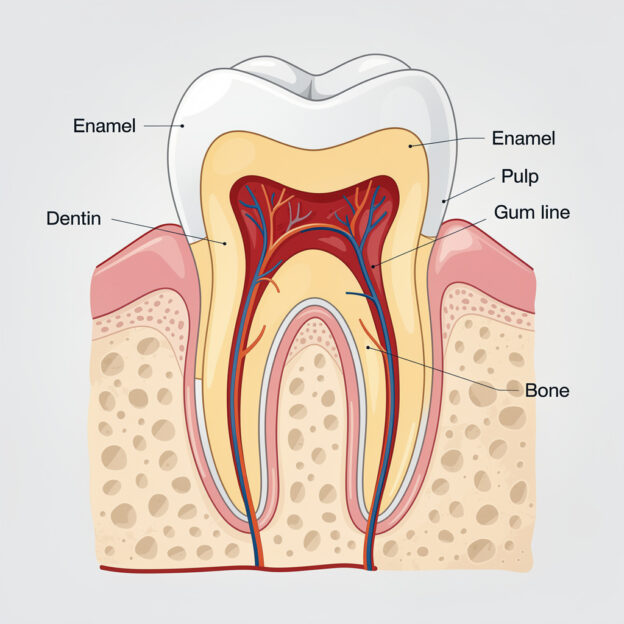
Good dental health is essential for overall well-being. Poor oral hygiene can lead to cavities, gum disease, and even systemic health issues like heart disease and diabetes. Fortunately, maintaining healthy teeth and gums is achievable with consistent care and smart choices. This article explores practical steps you can take to ensure your teeth stay strong and your gums remain healthy for a lifetime.
1. Daily Oral Hygiene: The Foundation of Dental Health
Brushing:
- Frequency: Brush your teeth at least twice a day—morning and night—using fluoride toothpaste.
- Technique: Use a soft-bristled toothbrush and gentle, circular motions. Avoid aggressive brushing, which can damage enamel and gums.
- Duration: Spend at least two minutes brushing to cover all surfaces of your teeth.
Flossing:
- Why it matters: Flossing removes food particles and plaque between teeth, where a toothbrush can’t reach.
- How to floss: Use about 18 inches of floss, winding most around your middle fingers. Gently slide it between teeth and curve it around each tooth in a C-shape.
Mouthwash:
- Benefits: Antiseptic mouthwash reduces bacteria, freshens breath, and can help prevent gum disease.
- Tip: Choose an alcohol-free mouthwash to avoid dry mouth, which can increase the risk of cavities.
2. Diet and Nutrition: Fuel for Healthy Teeth
Foods to Embrace:
- Calcium-rich foods: Dairy products, leafy greens, and almonds strengthen tooth enamel.
- Crunchy fruits and vegetables: Apples, carrots, and celery stimulate saliva production, which naturally cleanses the mouth.
- Water: Drinking plenty of water helps wash away food particles and keeps your mouth hydrated.
Foods to Limit:
- Sugary snacks and drinks: Sugar feeds harmful bacteria, leading to acid production that erodes enamel.
- Acidic foods: Citrus fruits and sodas can weaken enamel over time. Rinse your mouth with water after consuming them.
- Sticky foods: Candies and dried fruits cling to teeth, increasing the risk of decay.
Tip: Chewing sugar-free gum after meals can stimulate saliva flow and neutralize acids.
3. Regular Dental Visits: Prevention is Key
Frequency: Visit your dentist every six months for check-ups and professional cleanings. What to expect:
- Examination: Your dentist will check for cavities, gum disease, and signs of oral cancer.
- Cleaning: Professional cleaning removes tartar (hardened plaque) that brushing and flossing can’t eliminate.
- X-rays: Periodic X-rays help detect hidden issues like impacted teeth or bone loss.
Why it’s important: Early detection of dental problems saves time, money, and discomfort in the long run.
4. Lifestyle Choices: Protecting Your Smile
Avoid Tobacco:
- Smoking and chewing tobacco stain teeth, cause bad breath, and increase the risk of gum disease and oral cancer.
Limit Alcohol:
- Excessive alcohol consumption can dry out your mouth and increase the risk of decay and gum disease.
Protect Your Teeth:
- Mouthguards: Wear a mouthguard during sports to prevent injuries.
- Avoid using teeth as tools: Opening bottles or packages with your teeth can cause chips or cracks.
Manage Stress:
- Stress can lead to teeth grinding (bruxism), which wears down enamel. Consider a night guard if you grind your teeth at night.
5. Additional Care for Long-Term Health
Replace Your Toothbrush:
- Change your toothbrush or toothbrush head every 3-4 months, or sooner if the bristles fray.
Consider Sealants:
- Dental sealants are protective coatings applied to the chewing surfaces of molars to prevent decay, especially in children.
Stay Informed:
- Keep up with advancements in dental care. For example, electric toothbrushes and water flossers can enhance your oral hygiene routine.
Address Issues Promptly:
- Don’t ignore toothaches, bleeding gums, or sensitivity. These can be signs of underlying problems that need professional attention.
Conclusion
Maintaining dental health requires a combination of daily habits, smart dietary choices, and regular professional care. By brushing and flossing diligently, eating a balanced diet, avoiding harmful habits, and visiting your dentist regularly, you can enjoy a healthy smile for years to come. Remember, your oral health is an investment in your overall health and quality of life.
Final Thought: What’s one change you can make today to improve your dental health? Whether it’s flossing more often, cutting back on sugary snacks, or scheduling a dental check-up, every small step counts!